Friday, May 20, 2016

Do this not that

 
Do's and Don'ts of Fashion 2016


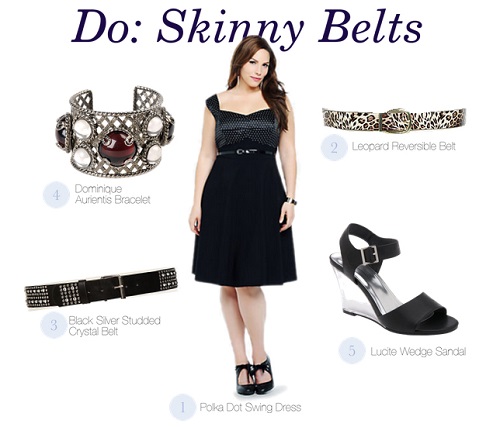
In fashion you have “Do’s and Don’ts” just like everything else in life. Do wear this, Don’t wear that, why did they leave their house looking like that? That looks really nice on you, or it fits well…. we hear these things all the time. Do, ask for someone’s opinion before purchasing clothing. Your clothing has a lot to say about you and having the proper attire for the occasion is key, don’t you think? I mean, you really shouldn't wear a swimsuit to go to church, or wear a way to tight article of clothing that looks like it belongs to your child. However, do wear whatever makes you feel comfortable and pretty. That is most important. Having a sense of fashion goes along way in the fashion industry. Top magazines focus their columns on Do’s and Don’ts for the famous. For example, magazines say who looked better in the Dolce & Gabbana or Jovani dress? Or does it look better on girl A or girl B. What not to wear this season...and the list goes on. Your body type can sometimes prevent you from wearing certain clothing but don’t be discourage you will find a fabric that fits and flows perfectly with every type of body curve. Other types of Do’s and Don’t s would be to not over tan until you look burn orange, go for the more settle tan look (natural look). Look for a hair color that goes with your skin tone, sometimes over dramatic hair dyes just don’t look right and can maybe draw the attention, you weren't really expecting..


Do

Hoop earrings
Bandanas
Oversized clothes
Florals
Sneakers
 
Don't
Ankle socks - prefer secret or short socks
Ankle Length Skirts
Pantyhose
Extremely long nails


Sources:
 
Kurdi, Karim. "5 Fashion Do’s and Don’ts ." P A R I S, S H A N G H A I, F A S H I O N."
            Internation Fashion Academy, 02 Mar. 2016. Web. 20 May 2016.           


Tuesday, May 17, 2016

Sunday Best


Sunday Fun day


Who came up with Sunday Clothes? As long as I can remember people tend to wear their "Sunday Best" whether it's going to breakfast with the family or for an hour of church. I asked my parents why do people dress up on Sunday and they responded, “because it’s the only day that the majority of us have off, so we would like to look decent for at least one day out of the week." Come on, having to wear a uniform or business attire, or casual clothes and not have the opportunity to dress up….well Sunday sounds like the best day to do so. Long behold, as I did my research I found that people on Sunday do indeed pull out their best outfits, some individuals happen to dig deep down in their closets and find a nice button up shirt where dust has set on the shoulders. Others, even lounge at home in a nice, comfortable outfits. It's easy like a Sunday Morning. The late eighteenth century and the Industrial Revolution started the whole dressing up for special occasions. What a person wore was basically an indicator as to their status- upper class, middle class, or lower class. Religion was another factor that affected a person's clothing choice, dressing up for church is a church etiquette. The Baptists taught that fine clothing separated the rich from the poor. The Methodists rejected people who wore expensive clothing. Some people consider dressing up for church as a way of honoring God. Nowadays, we know that clothes don't matter to God, he sees what's inside our heart and not what we’re wearing. In African American customs, a hat is not just a plain accessory; it speaks for itself. Women add a gorgeous hat to their bright or colorful Sunday outfit to style it up. So, it’s safe to say a hat is not just a hat….it’s a fashion statement.


Sources:

http://ccquakertown.org/pursuetruth/clothing-a-brief-history-of-sunday-best/

                           Schill, Nate. "CLOTHING: A BRIEF HISTORY OF “SUNDAY BEST”." PURSUE TRUTH RSS. Calvary Chapel's Quakertown Pursue Truth, 05 June 2013. Web. 17 May 2016.                                                 


Friday, May 13, 2016

Socks


Socks 


Earlier this afternoon, I was outside playing Frisbee with my brother and he was playing in just his socks - no shoes! So it got me thinking, that this kid is just ruining his socks and getting them all dirty. Then I began to think about where did socks come from and why were they invented. Upon researching, I discovered that in early medieval times, people who wore socks were considered part of the noble classes. Socks were woven or sewn by hand. In the 16th century, the knitting machine was invented by William Lee, an English clergyman. The knitting machine allowed people to make tighter woven socks. Socks were made of wool for the general population like the lower classes and silk or cotton for the upper classes. It wasn’t until the early 20th century that nylon socks were getting in style. Nylon provided strength and elasticity. In the middle age, socks became a tight fabric that covered the lower leg. Men wore stockings like women but they were called hose. The hose that men wore were knee length and tied at the top, usually with some type of embroidery as well. Another fun fact that I came across was that in 1560, Elizabeth I, received her very first pair of knit silk stockings which were knee high length. From that point on she continued to collect many in bright colors and designs. Bright colors and designs are still something that I myself and other people find appealing when choosing socks. We tend to go for a cute design that has an effect on us like things that interest us or a cartoon design. We don't really know who invented socks however experts suggest that socks go way back into the stone. Back in that time period, socks were made out of animal fur and skin. Now we see that socks have ranged from different fabrics based on the inspiration and designs of other countries. There are now socks that people can wear that are perfect for whatever type of shoe they plan on wearing. Socks are made to keep your feet nice and warm, so that we are comfortable.


Sources:
http://www.historyundressed.com/2008/12/history-of-socks-and-stockings.html

                           Knight, Eliza. "History of Socks and Stockings." History Undressed. History Undressed, 1 Dec. 2008. Web. 13 May 2016.                                                 

http://www.lonelysock.com/SockHistory.html

                           "Lonely Sock - The History of Socks." Lonely Sock - The History of Socks. N.p., n.d. Web. 13 May 2016.                                                 

Tuesday, May 10, 2016

Kids clothes


Children's Trends


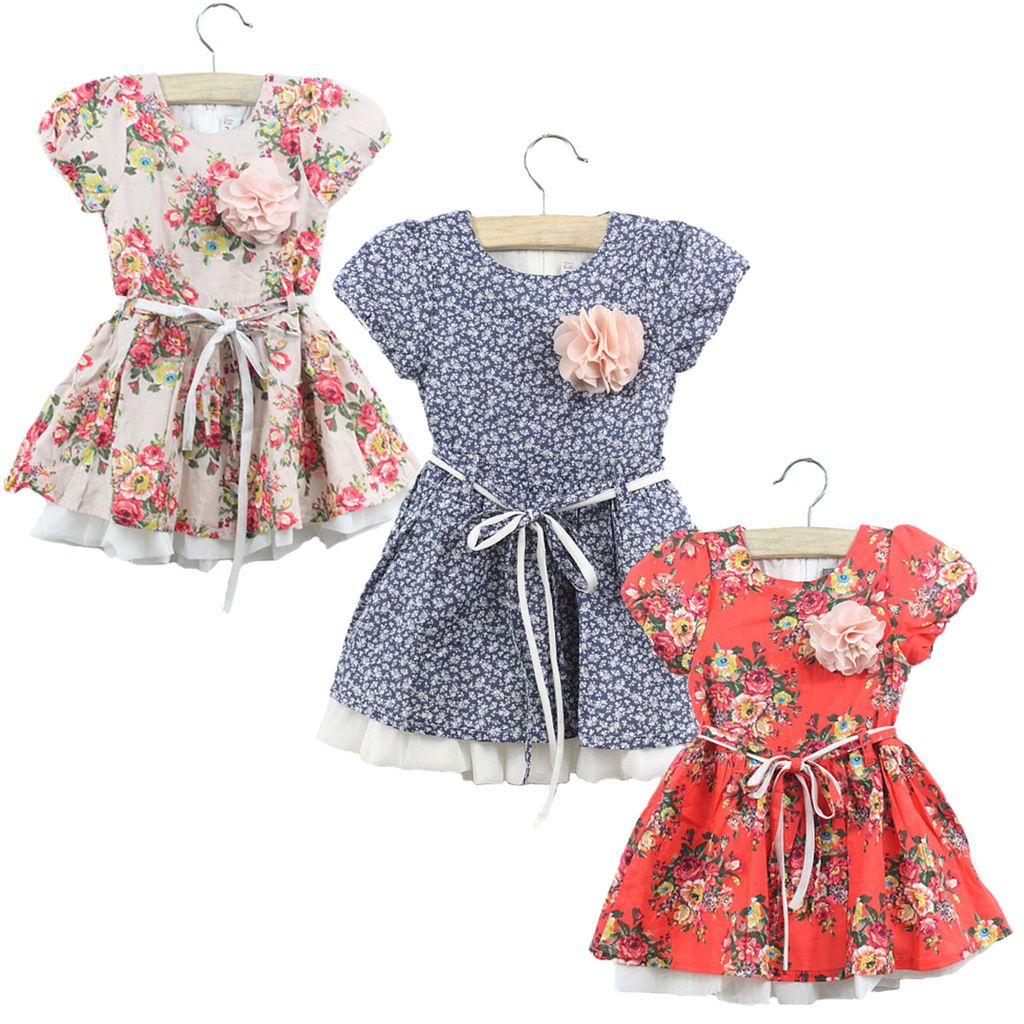
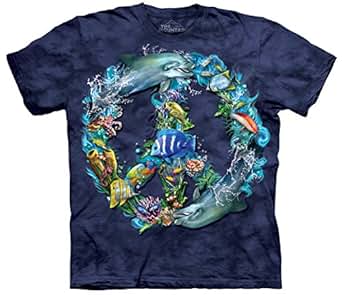
If you are one of those parents that loves keeping up with children’s fashion – well you will be pleased to know that this Spring and Summertime trends are bringing out the floral prints and sea life creatures theme to your children’s closets. Designers were inspired by the runways and current surroundings. For girls, I’ve see a large arrival of nature inspired graphics from the underwater sea creatures to floral prints. This trend is great for all ages, allowing for great variations in design. Most popular images that are designed on the shirts, dresses, etc. include jellyfishes, seahorses, coral and other fishes like koi. These tend to be the most fitting and fresh underwater urchins for girls. If your daughter is not really feeling the sea life, she can always look beautiful in a dress with graphics and prints of leaves, flowers, fruit and bugs. Pastel colors are also making an appearance this season.
This year brought together the strongest graphics for boys. Designers have been inspired by the runway, nature around us, and what is particularly inspiring us right now. You already know boys are so much easier to dress up or down than a girl so the tropical style with rainforest wildlife and floral accents will have your son stylin' this season.
For the summer, designers such as Dolce & Gabbana are creating ensembles in bright, bold colors, and prints. There is also an inspiration of Italy in these designs. Silks and satins make lovely, luxurious fabrics for outfits. Wearing a lace visor can keep your child from the summertime sun. Lace is popular amongst the girls in Spring and Summer fashion. From what I read, nature is a big part of this year's Spring and Summer, along with the beautiful pastels and lace loose fabrics. 


Sources:
https://www.weconnectfashion.com/articles/kid-s-top-forecasted-graphics-s-s-2016
                           DiCenso, Oley. "Trends: Spring/Summer - Kid's Top Forecasted Graphics S/S 2016 | WeConnectFashion." Trends: Spring/Summer - Kid's Top Forecasted Graphics S/S 2016 | WeConnectFashion. We Connect Fashion, n.d. Web. 10 May 2016.                                                 


Friday, May 6, 2016

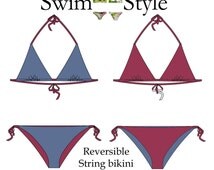
Swimsuits


Bathing Suits / Swimsuits


  • Where did swimwear originate from?
  • How has swimwear changed in style?
Did you know that in the 18th Century or early 1800s, people started to roam the beaches at the start of the new railroads. The women at the time needed a swimsuit for when the train would take them to the beach, a long beach dress equipped with weights in the hem would prevent the dress from riding up. However, this Victorian-era suit soon went through some changes in its functionality. The early 1800s marked the importance of swimwear on society.
Approximately between 1850 – 1870, bathing suits covered most of the body. The typical swimsuit of this time was long bloomers that were made from heavy flannel and other weighty fabrics that weighed down the swimmer.
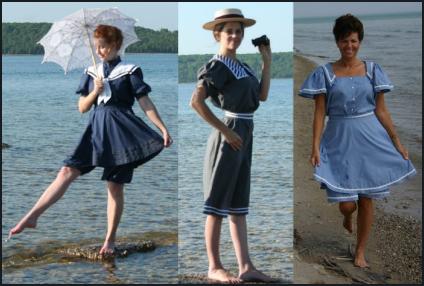
By the 1890 – 1899, swimwear had changed somewhat from the early prototypes. According to one article I came across, "Women typically dressed in black, knee-length, puffed-sleeve wool dresses, usually featuring a sailor collar, which was worn over bloomers trimmed with ribbons and bows. The bathing suit was typically accessorized with long black stockings, lace-up bathing slippers, and fancy caps." The 1890s is when sun hats became popular, too.
In the beginning of the 20th Century gender roles started to take a turn. Women stopped being arrested for showing their legs and shoulders at the beach. What mostly changed was that women started to swim, really swim. At this time, swimming became a competitive sport and allowed women to participate in it, both in school and recreational. For this reason, the bathing suit became more functional. It was still made of wool, but was a lot smaller. A typical bathing suit in the early 1900s was a one-piece tank style jumper that ended at the thigh and was tight enough to allow real movement in the water. It was not considered sexy by any means, but looked especially good on girls with boyish figures.
By the early mid 1930’s, swimwear started to look like the swimsuits we know today. The 1930s swimsuit was body hugging and made of swim friendly fabric such as latex. The suit showed a lot of skin, like bare arms and legs. In the 1940s, the 1930s suit was cut to show some more skin, a few inches above the belly button.
The bikini was so ground-breaking of its time that many models, even French models that were known to tryout many fashion trends, didn’t want to model the bikini. The bikini showed off the naval, which was a part of the body that had never been exposed in clothing before, and something a decent girl would never show/wear.
The 1950s most ideal body was a curvy one. Swimsuits of this decade introduced more structure with built in support. The one-piece had a built-in corset, which flatten the tummy. A pinch in the waist, made the bust appear more supported. This provided security while in the water. Also, the suits had low legs that were unflattering according to women. However it was modest for sunbathing, especially in the company of males.
The bikini was very shocking in the 1940s. Bikinis became extremely popular in the 1960s. It was common to see young girls wearing bikinis at the beach or near pools. Bikinis of this time are considered modest compared to today’s styles and the fabrics covered as much as possible. The mid-60s is when bikinis became more revealing due to its material, lycra/spandex.
As we got closer to the 1970’s, swimsuits became less and less fabric. The 70s bathing suit was definitely more high-cut than the 60s version, but less drastic than the 80s bathing suits, and string bikinis made their first appearance during the 70s. The 80s was the decade that shielded away from the bikini. However, the bathing suits were still revealing as they had a high leg line and a low neck line and a scooped back, revealing as much skin as possible for a one-piece.
Just when you thought bathing suits couldn’t get any skimpier, they did! Especially in the 1990s. People were not worried about covering up, butt coverage was reduced and the “side-boob” was introduced. Brazilian beachwear was brought into America and so was other Brazilian customs. The small covering of bathing suits of this decade brought into question the difference between covering up a little area of the body versus going completely nude. Today one will find all the various types of bathing suits ranging from one pieces to bikinis, to even monokinis (cut-out one pieces). They come in all different patterns and cuts and are made of different materials too, even metal and beading details.
Image result for 1950s swimsuits

Sources:
                           "History of Bathing Suits." History of Bathing Suits. Victoriana Magazine, n.d. Web. 06 May 2016.                                                 

Tuesday, May 3, 2016

Men's Spring Fashion


Men's Spring Fashion

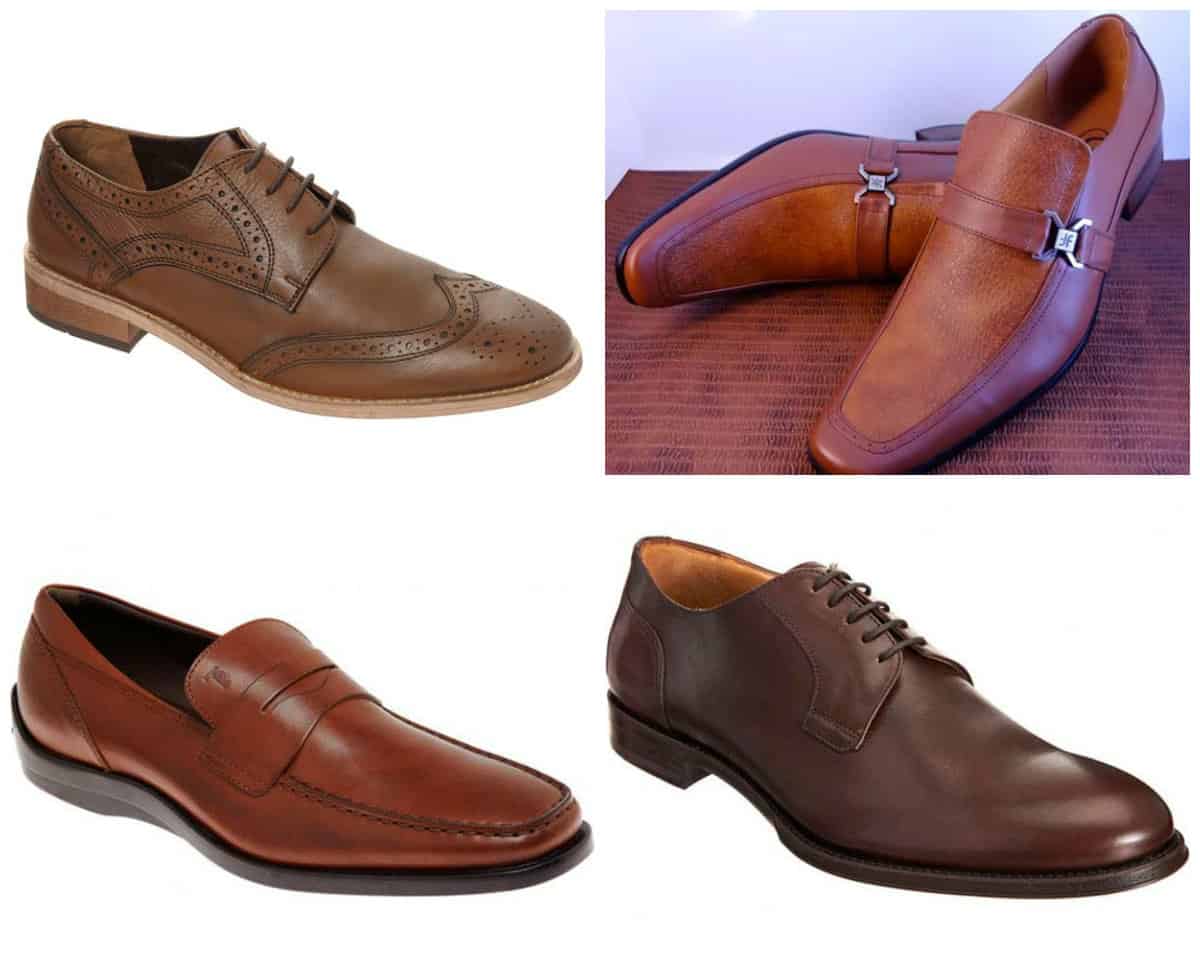
This week, I decided to set aside women's fashion and focus on men's apparel. This season is based off of embracing femininity, like wearing a light fabric. Loose-fitted shorts are both comfy and being showcased on runways. Pastel colors are definitely the designers main color scheme for this season. Of course, its reasonable seeing that most people identify pastels with spring. Don't forget oversized clothes, such as tank tops, shirts, and sweaters are hip and in. Going to the name brands, we have Giorgio Armani who offers us soft whites and pale gray suits for a more laidback look. Pre-shredded jeans are very comfortable and stylish. Why not show your sense of personality by wearing light colors. Now, let's not forget that an outfit is not an outfit without the proper shoes. And, these days men like to have a nice shoes.


Whether it's strolling down the sandy beach, walking the farmer’s market or hanging out at the local bar or nightclub, proper shoes must be worn. During our spring season fashionistas have brought us the low profile shoes. Embracing a casual attitude, leather sneakers are a basic ensemble finisher with a luxurious clean look. Nike and Air Jordan are being worn on a regular basis to strut the athletic appeal. Meanwhile, in the casual laid back feel of the moment why not slip on some comfortable sandals. From toe strap, back strap, slip-ons, to even the buckle sandal look. You can’t go wrong! So hurry up and sport your spring hot look.


Sources:
http://www.huffingtonpost.com/kara-kamenec/3-spring-fashion-trends-e_b_6904830.html
                           Kamenec, Kara. "3 Spring Fashion Trends Even the Pickiest Millennial Men Will Try." The Huffington Post. TheHuffingtonPost.com, n.d. Web. 03 May 2016.                                                 
https://www.thinkshoesusa.com/mens-collection.html
                           "Men's Collection." Men's Collection. Think!, n.d. Web. 03 May 2016.                                                 
http://www.farfetch.com/shopping/Men/sandals-2/items.aspx
                           "Men's Sandals." Men's Designer Sandals 2016. Farfetch, n.d. Web. 03 May 2016.                                                 
Friday, April 29, 2016

Denim: It's purpose and it's fashion


Denim


In honor of National Denim Day, I decided to dedicate this blog to it. On Wednesday, 27

April 2016, it was National Denim Day. It is considered National Denim Day in honor of Sexual Violence Awareness Month. National Denim Day was introduced after a ruling by the Italian Supreme Court where a rape conviction was overturned because the justices felt that since the victim was wearing tight jeans she must have helped her rapist remove her jeans, thereby implying consent. The next day, the women in the Italian Parliament came to work wearing jeans in solidarity with the victim. Since this incident, wearing jeans on Denim Day has become a symbol of protest against erroneous and destructive attitudes about sexual assault. I guess you can say denim not only looks good but also stands for a serious purpose.

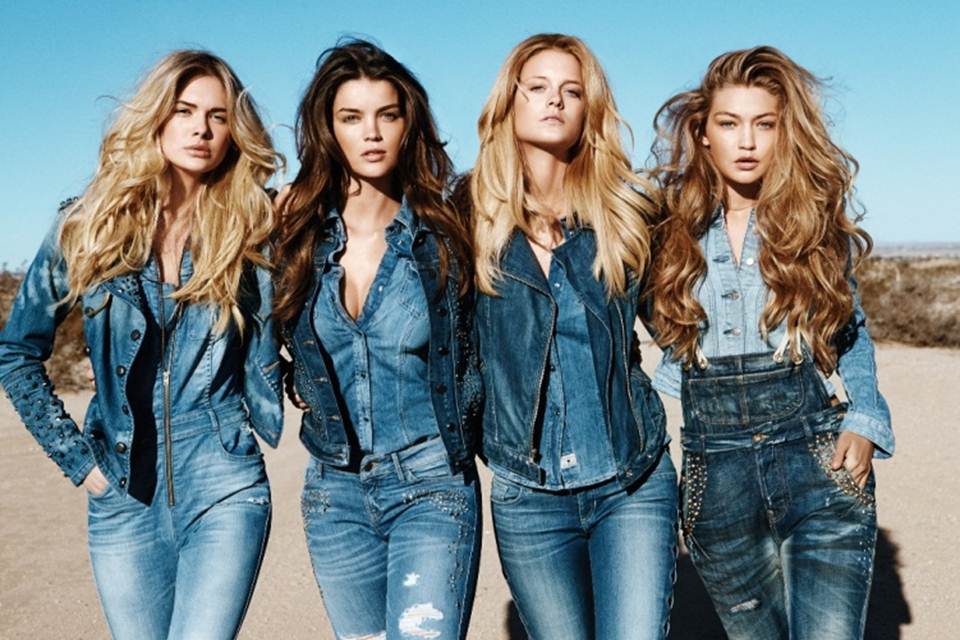
The history behind Denim goes back to the 17th century to present times. Denim has been considered one of the world’s oldest fabrics and has been used for many things not only for clothing and jeans but for its durability. Denim can be found in many places including museums, household furniture, and to awnings. In fact, 501 jeans are the most traditional pair of pants in this generation. Levi Strauss was named the founder of the Denim Jeans. Around 1873 Levi Strauss began to make copper riveted “waist overalls (which is the old name for jeans) out of brown cotton duck and blue denim. Levi and Co. had a huge part in the United States society especially during 1930s – 1970s. Originally, denim jeans were intended as work attire, but teenagers in the 1950s made them popular casual clothing. In 1970, people really started personalizing bell bottoms with flower patterns, abstract embroidery, studs, and graffiti. Jeans were very popular among the hippies during this time. As the years progressed, jeans have turned into cut off shorts, skirts, and even duffle bags. In the 1980s, ripped, colored, and faded jeans were in style. Black jeans ruled the early 90s. Nowadays, designers are adding rhinestones, fur, and feathers. Denim can be used to make shoes, jewelry, jackets, dresses, bags, and more. In today’s era – denim is the style and the fabric is very comfortable, you can either dress it up or dress it down!


Sources:
https://zady.com/features/the-history-of-denim
                           "The History of Demin." Zady. N.p., 16 Apr. 2014. Web.  29 April 2016.                                                 
www.historyofjeans.com/
                           "History of Jeans and Denim." History of Jeans. History of Jeans, n.d. Web. 29 April 2016.